Scene XVII · Butter and apples
Four named cheeses of Normandy: shape, rind and taste
A morning-to-late-afternoon sorting game: the shapes and rinds are clear; the flavour question deserves a more honest answer.
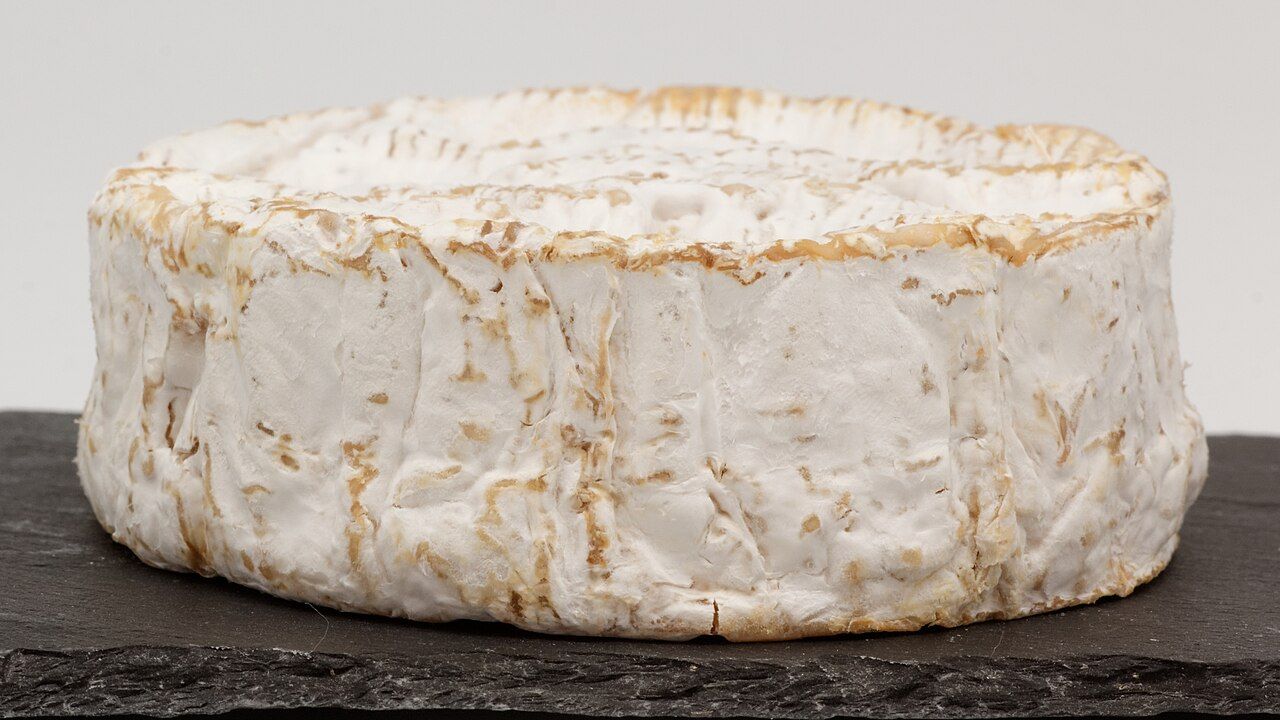

Morning at a cheese counter begins with four names to sort. Across Normandy, those names are Camembert de Normandie, Livarot, Pont-l'Évêque and Neufchâtel. All four are made from cow's milk, which settles their shared starting point. Does that tell the tongue what to expect? Not really. Their shapes and rinds give distinctions; flavour remains unanswered. It is an irritating gap, but a useful one. Guessing taste from geometry would make a poor little game.
Which cheese is round, with a white bloomy rind? Camembert is the round one, with that white bloom. Its full protected name is Camembert de Normandie. Who gets credit for the first Camembert? Legend credits farmer's wife Marie Harel, in 1791. That gives the cheese a story, not a flavour note. Keep those two things separate; the colonel is waiting. The morning’s sorting can begin with its outline, without pretending to know its taste.
What should midday bring into the comparison? Livarot, with its washed rind and five surrounding strips. Those strips are made from reed or paper. Why five? They gave Livarot its nickname, ‘the colonel’. The nickname is wonderfully officious for a cheese. Still, it identifies the ring, not a flavour. If the rind and strips are your clues, Livarot is easy to pick out. The colonel has done the labelling work already.
And what is square, with a washed rind? Pont-l'Évêque is the square one. Its rind is washed, as Livarot’s is. That shared detail makes the shape especially useful. One is ringed with five strips; the other is square. Does that difference tell you which tastes stronger? No answer follows from these clues. The honest distinction is visible, while the flavour question stays open. A square is not a tasting note, however neatly it sits.
What remains for late afternoon? Neufchâtel, often shaped like a heart. That is the quickest outline to remember. Is it always heart-shaped? The careful answer is often, not always. Put the four names together and their visible clues do most of the sorting. Camembert is round; Livarot wears five strips; Pont-l'Évêque is square; Neufchâtel often takes a heart shape. The rind adds another clue for the first three. Taste, though, cannot be read from these descriptions. A heart is no more a flavour promise than a colonel’s stripes.
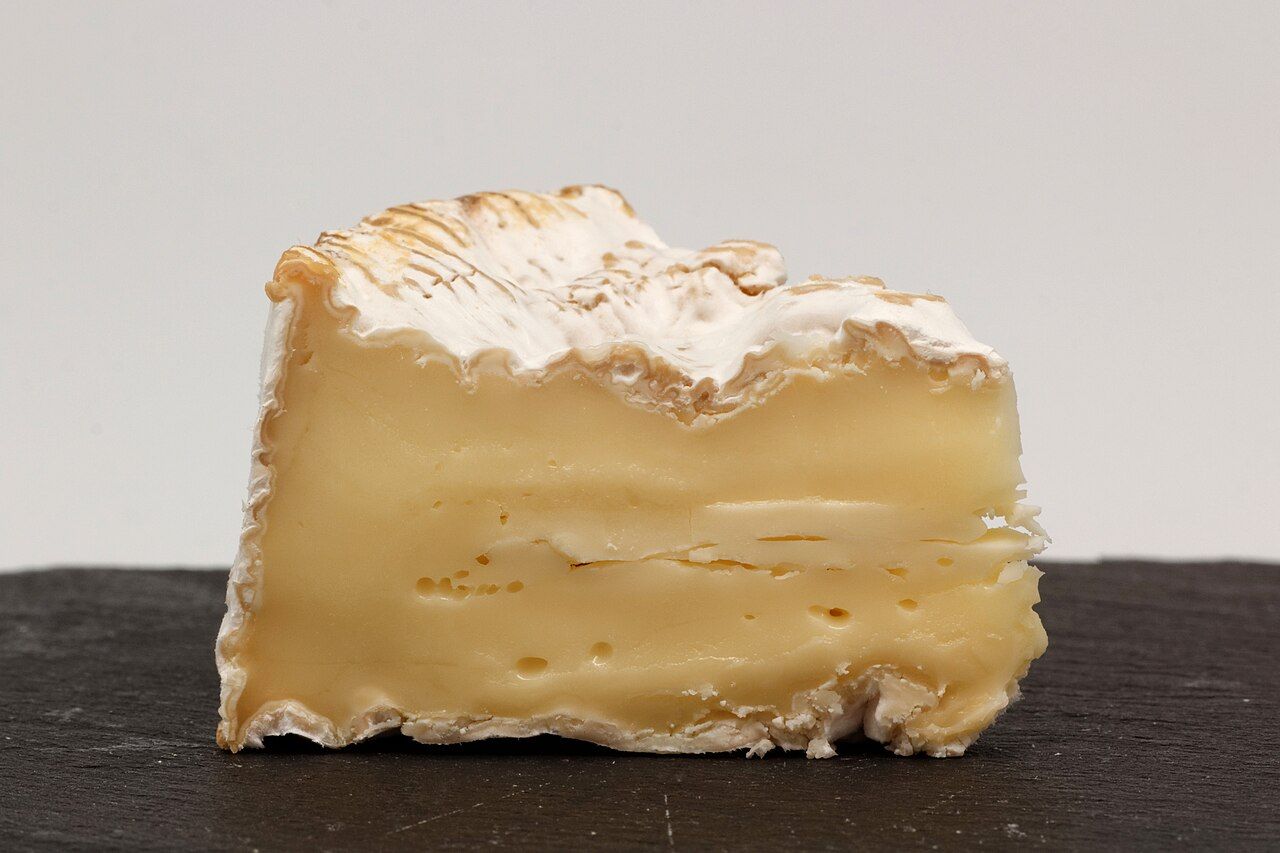

What does comparison reveal? Shape and rind, not a reliable tasting chart. That is a modest answer, but a clean one.
For another dairy thread, follow the question of deep yellow butter, then return to rind and shape. The useful answer here is a set of names and forms, not an invented tasting chart. Which of the four would you want to taste first?
Pull the next thread: Cider, pommeau and calvados: the orchard in a glass
- Camembert de Normandie: round, with a white bloomy rind.
- Livarot: washed rind, five strips of reed or paper.
- Pont-l'Évêque: square, with a washed rind.
- Neufchâtel: often shaped like a heart.
- Which flavour question would you ask at the counter?
- How far from the cathedral all around
- Where exactly cheese counters across Normandy
Teurgoule: the rice pudding that twists the mouth • Caen: two abbeys, a castle and the memory of 1944